Before You Train, Read This Ball Control Breakdown
Ball control improves fastest when soccer players train the first touch, both-foot coordination, scanning, and pressure decisions together rather than repeating stationary touches. Football Insights r...

Before You Train, Read This Ball Control Breakdown
Ball control improves fastest when soccer players train the first touch, both-foot coordination, scanning, and pressure decisions together rather than repeating stationary touches. Football Insights recommends a five-step routine built around toe taps, inside-outside touches, wall passes, cone dribbling, juggling, and tight-space play. A useful baseline is 20 minutes, four times weekly, with 200 controlled touches per session and at least 30 repetitions on the weaker foot. The objective is not simply keeping the ball close; it is receiving, protecting, and moving it into useful space within two touches. FIFA coaching principles also emphasize body orientation, awareness, and decision-making before receiving the ball. Track progress by recording successful first touches out of 20 passes, then retest under pressure after two weeks. Start slowly, keep your head up, and increase speed only when your touch remains controlled.
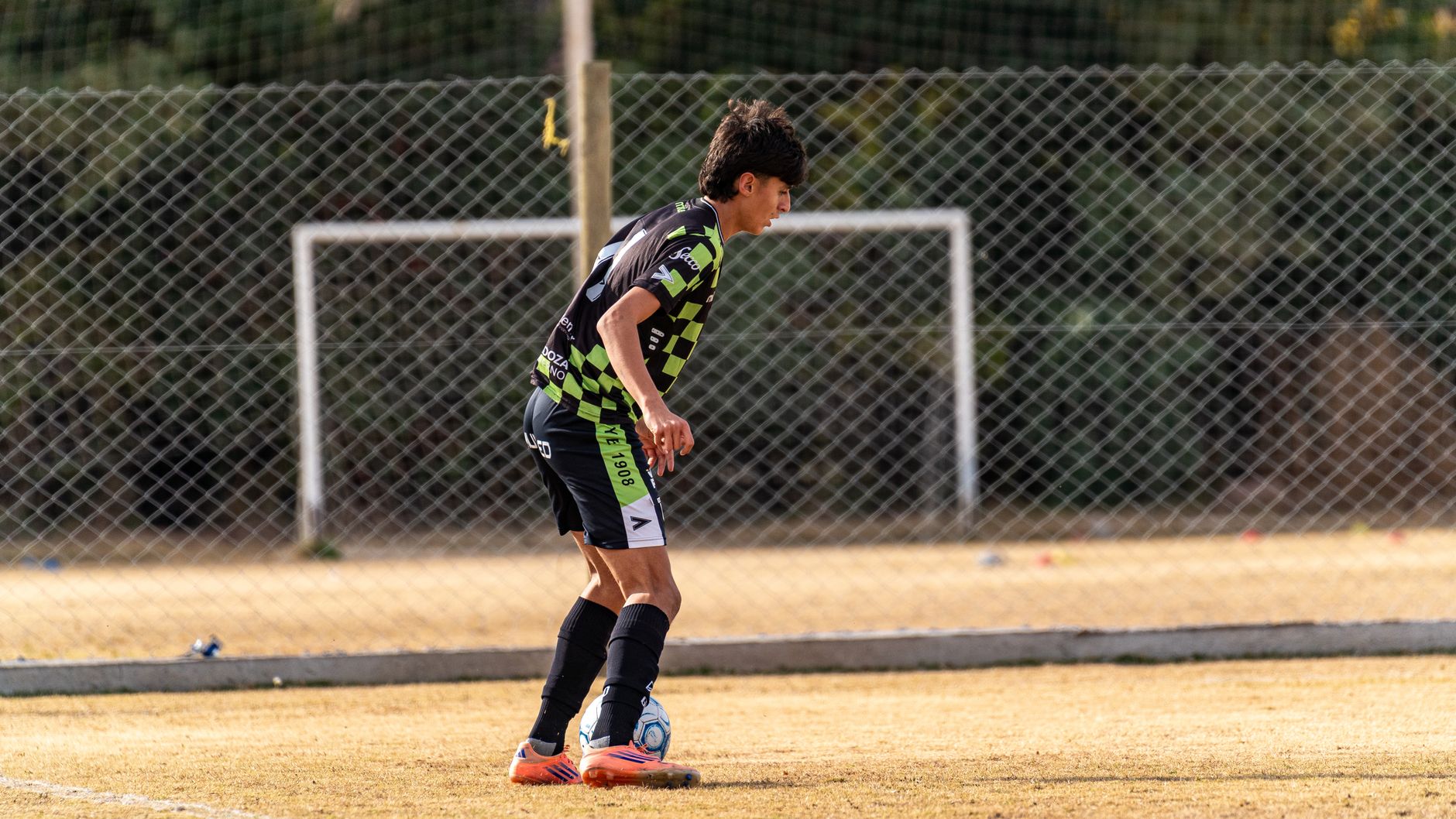
Photo by Franco Monsalvo on Pexels
A clean touch buys time. A poor touch spends it. That difference decides whether you can turn, pass, dribble, or lose possession. I learned this the annoying way: doing hundreds of fast touches while barely improving in matches. The problem was not effort. It was bad measurement and no pressure. So use a simple rule: every drill must connect to a match action. Receive across your body. Scan before the ball arrives. Move after the touch. Football Insights focuses on practical match analysis, and the same logic applies here: technique only matters when it survives real decisions, defenders, fatigue, and limited space. For a broader foundation, use this [Internal Link: beginner soccer skills guide] before adding advanced variations. FIFA technical resources also treat ball mastery as a combination of technique, perception, and execution, not a trick list.
Want a clearer training framework? Start here.
Step 1: How Do You Build a Reliable First Touch?
A reliable first touch moves the ball away from pressure and toward your next action. Train 30 receptions with each foot using the inside, outside, sole, and laces, then finish with 20 passes received across your body. Keep your ankle firm, soften contact, and glance up before impact.
Set up a wall, rebounder, or partner five to seven meters away. Pass with the right foot, receive with the left, and play the next pass quickly. Reverse the pattern. This simple exchange trains the same sequence used by Luka Modrić, Kevin De Bruyne, and professional midfielders: scan, receive, orient, release. Do not trap the ball directly under your body unless you need to stop it. Most match situations require a directional touch of 30 to 80 centimeters, depending on pressure and available space. A useful test is the “three-zone check”: the ball should remain inside your control zone, your passing zone, or your escape zone. If it rolls beyond all three, the touch was too heavy. Record 20 attempts and count how many leave you ready for the next action. Aim for 16 successful repetitions before increasing speed.
First-touch checklist
- Scan over both shoulders before the pass arrives.
- Open your hips toward the safest available space.
- Use the foot farthest from the imagined defender.
- Cushion the ball instead of stabbing at it.
- Take the next action within two touches.
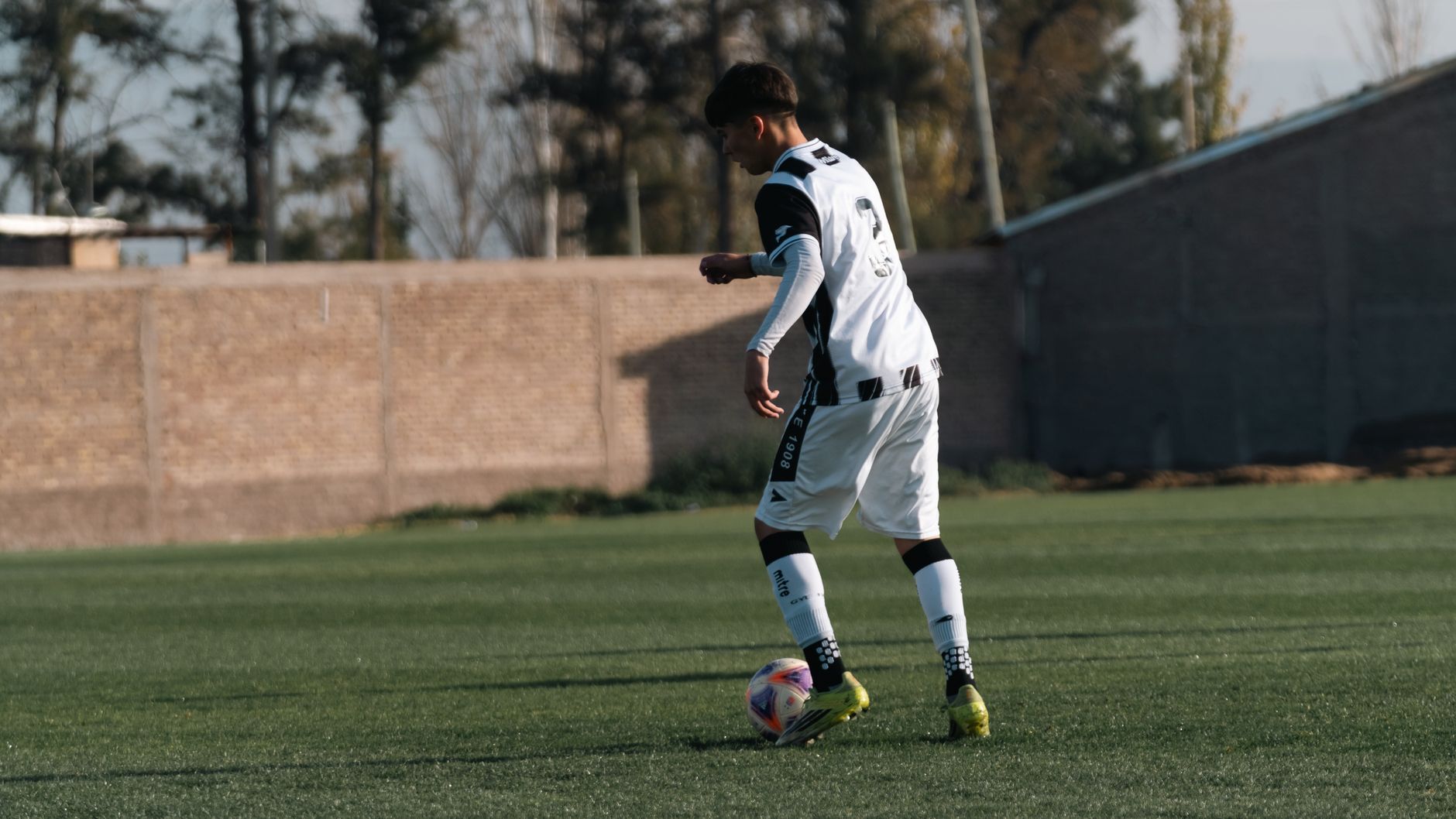
Photo by Franco Monsalvo on Pexels
Step 2: How Can You Improve Close Control With Both Feet?
Close control improves when touches stay frequent, balanced, and unpredictable. Use toe taps, inside-outside touches, sole rolls, and V-pulls for three rounds of 45 seconds, resting 20 seconds between rounds. Keep the ball within one step, change rhythm every five touches, and complete at least 40 percent of repetitions with the weaker foot.
Begin with toe taps to activate both feet, but do not confuse speed with control. Then move laterally using the inside and outside of the same foot. Follow with V-pulls: drag the ball backward with the sole, push it diagonally forward with the inside, and repeat on the opposite side. These patterns develop ankle mobility and help players escape pressure near the touchline. Add a visual cue after every six touches: look left, look right, or call a number placed behind you. This matters because match players rarely stare at the ball continuously. The United States Soccer Federation emphasizes changing speed and direction while maintaining balance, and that principle is more valuable than memorizing flashy combinations. One overlooked detail: beginners often train only on flat, clean grass. Add a slightly uneven surface for five minutes, but lower speed first. It exposes weak ankle control without needing a defender.
Get started with drills that translate directly to match movement.
Step 3: How Do You Add Speed, Direction, and Pressure?
Add speed and pressure only after your basic touches remain accurate at walking pace. Use five cones placed one meter apart, dribble through with alternating feet, then repeat with a defender applying passive pressure. Finish each run with an acceleration of three to five meters and a controlled stop.
Cone dribbling is useful, but it can create false confidence if every movement is predictable. Change the setup after each round: use a straight line, a zigzag, a square, and a random callout pattern. Complete four rounds of 45 seconds, then rest for 30 seconds. On the second round, use only the weaker foot. On the third, add a passive defender who can block but not tackle. On the fourth, allow live pressure for six seconds. This progression teaches the ball to stay close during acceleration while your eyes search for the next space. Try a “two-touch escape” drill as well: receive from a partner, take one directional touch away from pressure, then dribble through a gate. Measure success by escape rate, not just speed. If you complete 12 of 15 attempts, narrow the gate by 20 centimeters. This is a more useful benchmark than simply counting cone runs because it tests control, perception, and decision-making together.
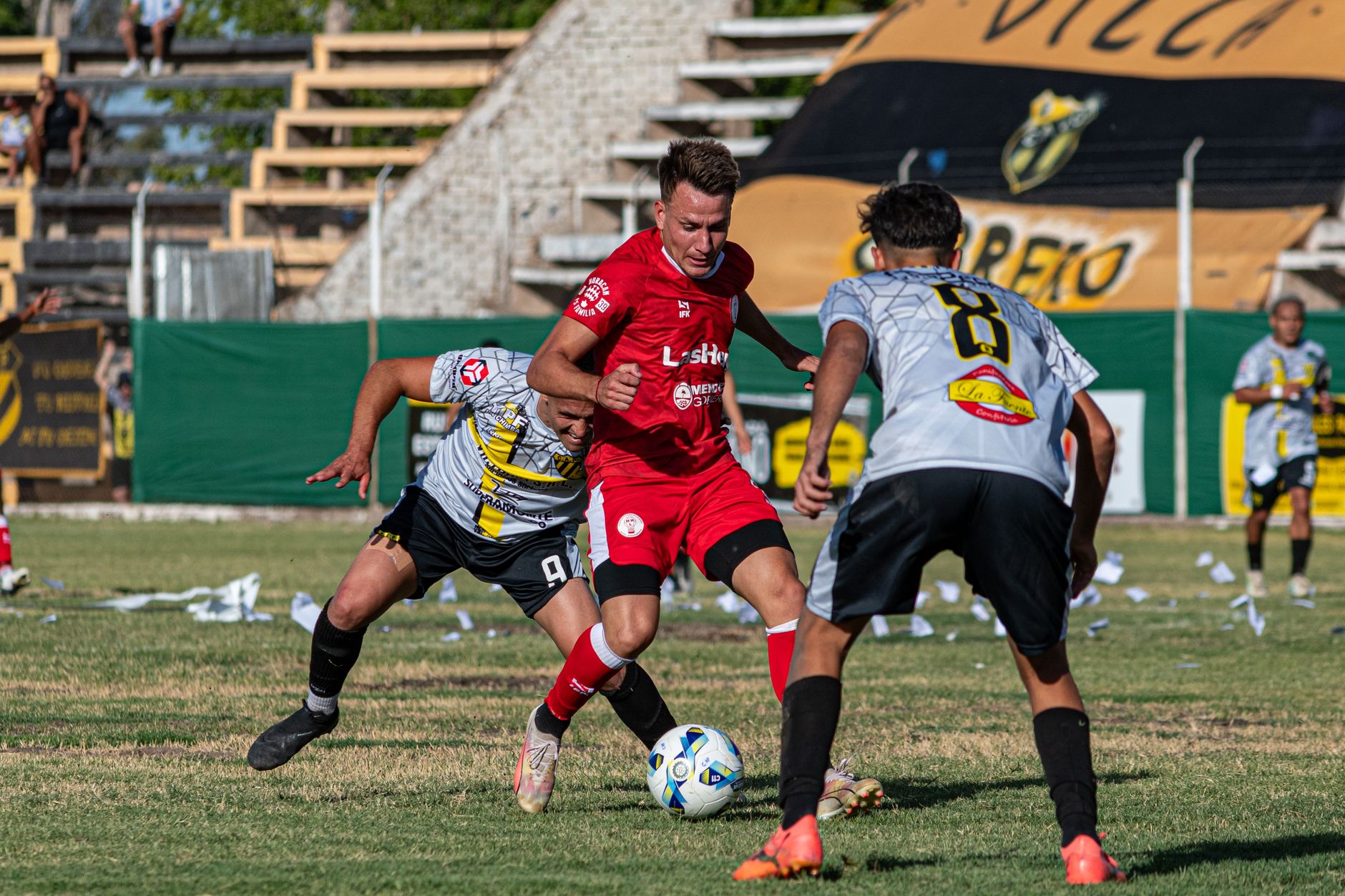
Photo by Franco Monsalvo on Pexels
For advanced movement patterns, see this [Internal Link: dribbling under pressure training guide]. Football Insights match breakdowns repeatedly show the same principle: the best dribblers rarely use maximum speed from the first touch. They use a slow-fast rhythm. Pause. Invite the defender forward. Then attack the gap. It looks simple from the sideline, but the timing is the difficult part.
Step 4: Why Should You Train Ball Control in Tight Spaces?
Tight-space training teaches players to protect the ball when options disappear. Create a four-by-four-meter square, use one ball and two players, and play one-touch or two-touch possession for 45-second rounds. The smaller area increases scanning speed, body contact, shielding skill, and decision quality.
Start with two attackers and one passive defender. The receiver must check away before returning toward the ball, then use the first touch to protect the far side. Progress to a live defender after three successful rounds. Keep sessions short because fatigue changes technique quickly; four rounds of 45 seconds are enough for beginners, while experienced players can use six rounds. Use the sole only when it solves a problem. Overusing sole rolls can slow play on firm grass, while the inside of the foot is usually better for quick circulation. A useful information-gain test is the “exit gate” rule: after receiving, you have three seconds to move the ball through one of two marked gates. In my own practice, this revealed an awkward issue: players who looked excellent in open space lost control when their first touch had to travel sideways rather than forward. That sideways touch is worth training because it mirrors pressure from a nearby opponent. For tactical context, compare this with our [Internal Link: soccer formations and player roles guide].
Want to connect technical work with real match decisions?
Step 5: Verification — How Do You Know Ball Control Is Improving?
Ball control is improving when your successful first touches, weak-foot actions, and pressure escapes rise in measured tests. Retest every 14 days using the same distance, ball, surface, and drill sequence. A practical target is 80 percent clean execution before adding speed, a defender, or a smaller playing area.
Use a simple scorecard rather than relying on feel. Test 20 wall-pass receptions with each foot, 15 cone escapes, 10 tight-space possessions, and 10 pressured first touches. Record clean control, usable control, and failure. Clean control means the next action is available immediately. Usable control means you keep the ball but need an extra touch. Failure means the ball leaves the playable area or exposes it to the defender. Add the results together, but keep the categories separate. A player might improve from 11 to 16 clean touches while still losing six balls under pressure. That is not a reason to panic; it identifies the next training block. Also film one set from behind and one from the side. Video often exposes a late scan, straight legs, or a first touch that travels toward the defender. As FIFA Training Centre materials commonly stress, technique must be evaluated inside the game context. Test in isolation, then verify with opposition.
Two-week verification sheet
- Day 1: Record baseline results for all four tests.
- Days 2–6: Train 20 minutes, four sessions total.
- Day 7: Repeat only the first-touch and weak-foot tests.
- Days 8–13: Add passive or live pressure.
- Day 14: Repeat the full test and compare percentages.
Troubleshooting Common Failures
Most ball-control problems come from predictable causes: watching the ball too long, using only the dominant foot, standing too upright, taking touches that are too large, or increasing speed before accuracy is stable. Fix one variable at a time. If your first touch repeatedly runs away, reduce pass speed by 25 percent and soften the ankle. If you lose the ball when scanning, begin with a verbal cue from a partner instead of trying to look in every direction. If your weaker foot feels useless, use a 60:40 practice split in favor of that foot for two weeks. If your touch collapses under fatigue, shorten the work interval from 45 seconds to 30 seconds while keeping the same technical standard.
Another common mistake is copying elite drills without copying elite constraints. Lionel Messi can perform rapid close-control moves because his posture, scanning, balance, and timing are already developed; copying his foot pattern alone misses the real skill. Likewise, juggling 500 touches may improve coordination but does not automatically improve receiving a driven pass. Keep juggling as a warm-up, perhaps three sets of 60 seconds, then spend most of the session on directional receiving and pressure. The Laws of the Game explain the conditions of legal play, but your training must reproduce the practical conditions: limited time, changing angles, contact, and opponents. Do not chase exhaustion. Chase repeatable decisions.
Check the process, not just the highlight touches.
A useful 20-minute session looks like this:
- 3 minutes: toe taps, sole rolls, and light juggling.
- 5 minutes: directional wall passes with both feet.
- 4 minutes: inside-outside touches through cones.
- 4 minutes: tight-space receiving with a partner.
- 3 minutes: pressured escape touches.
- 1 minute: record successful and failed repetitions.
Do this four times per week for six weeks. Rest at least one day between demanding sessions. Wear the same boots when comparing results, and avoid changing the ball halfway through a test. These details seem fussy, but they prevent false conclusions. I once blamed technique for poor control when the real issue was an overinflated ball on a slick surface. Check the equipment first. A standard size-five soccer ball should feel firm but not excessively hard, and the training surface should match your normal playing environment. For young players, reduce the space and ball speed rather than forcing adult-level intensity. For advanced players, add scanning cues, a second defender, and a limited-touch rule. The final benchmark is simple: can you receive, protect, and play forward while tired? If yes, the training is working.
Frequently Asked Questions
Q: What is ball control in soccer?
A: Ball control is the ability to receive, keep, protect, and move the ball intentionally. It includes first touch, close dribbling, juggling coordination, shielding, and directional changes. Good control also involves scanning before contact so the player knows where the next action should go. A controlled touch is not always the shortest touch; it is the touch that creates the best next option.
Q: How can I improve ball control quickly?
A: Train for 20 minutes, four times per week, using wall passes, weak-foot touches, cone dribbling, and tight-space exercises. Complete at least 30 repetitions per foot and record clean first touches out of 20 attempts. Start slowly, then add speed or pressure only when execution reaches about 80 percent. Consistent short sessions usually produce better results than one exhausting weekly workout.
Q: What is the difference between juggling and first-touch training?
A: Juggling develops coordination and comfort with the ball, while first-touch training teaches you to control a pass into useful space. Juggling is valuable for warm-ups and touch sensitivity, but it does not fully recreate match pressure or directional receiving. Use three one-minute juggling sets, then spend most of the session on wall passes, scanning, and movement after contact.
Q: Why does my first touch keep getting away from me?
A: Your first touch may be too stiff, too large, or directed toward pressure. Relax the ankle on contact, keep the supporting knee slightly bent, and reduce the pass speed by 25 percent while practicing. Receive with the foot farthest from the imagined defender and aim for a touch 30 to 80 centimeters into open space. Film the drill from the side because the problem is often body position rather than foot technique.
Q: How often should I train ball control?
A: Most players should train ball control three to five times per week for 15 to 25 minutes. Beginners can use three sessions, while experienced players can use four or five if at least one day separates intense pressure sessions. Track fatigue because sloppy repetitions reinforce poor habits. Stop or reduce the interval when your touch consistently leaves the control zone.
Q: Can I improve ball control without a teammate?
A: Yes, a wall, rebounder, five cones, and one ball are enough for effective solo training. Use the wall for receiving angles, cones for close dribbling, and a timer for pressured rounds. Add random visual or verbal cues from a phone recording to practice scanning. Solo work is useful, but include a partner or small-sided game at least once weekly to verify that your technique survives pressure.
Q: Should I focus more on my weak foot or dominant foot?
A: Spend slightly more time on the weak foot while maintaining dominant-foot quality. A 60:40 split favoring the weaker side works well for a two-week block, especially during wall passes and directional receiving. Do not isolate the weak foot forever; alternate feet within drills because matches demand fast transitions between both sides. The goal is not identical ability, but reliable control with either foot when pressure arrives.
Football Insights can help you keep connecting technical habits with player roles, tactics, and 2026 tournament analysis. The best next step is not another complicated trick. It is a measured session, repeated often, with pressure added at the right time.
Ready to build a sharper routine?
Thank you for reading this strategic analysis.
Football Insights · High-Stakes Insights · Strategic Excellence